
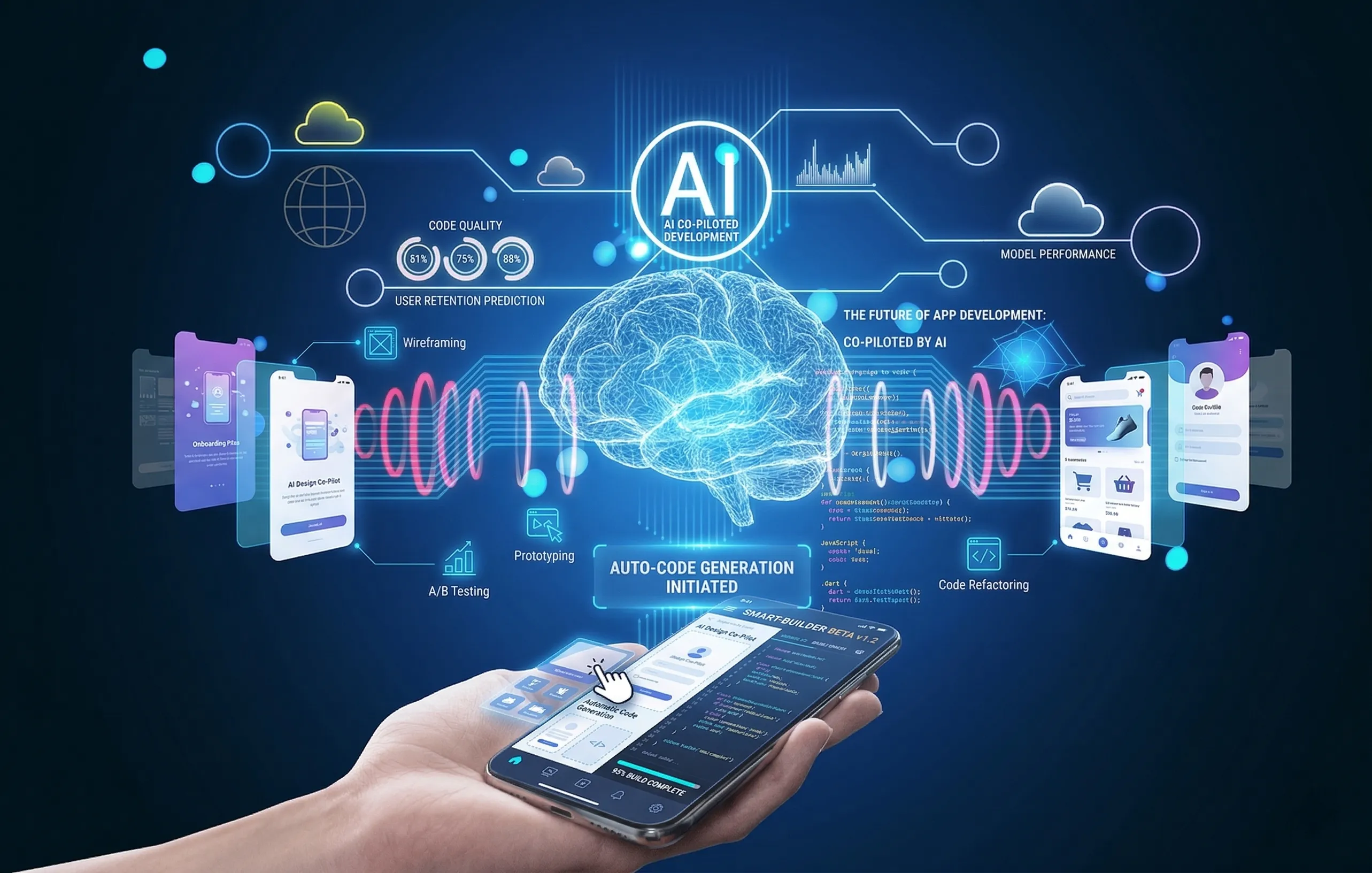
Artificial Intelligence (AI) is no longer a futuristic concept confined to science fiction; it has rapidly become a transformative force that is reshaping industries across the globe. Despite being relatively new compared to long-established technologies like electricity or the internet, AI is advancing at an unprecedented pace and redefining how businesses operate, make decisions, and deliver value.
At its core, AI refers to machines and systems that can perform tasks that typically require human intelligence, such as learning, reasoning, problem-solving, and decision-making. What makes AI particularly powerful is its ability to process massive amounts of data quickly and identify patterns that would be nearly impossible for humans to detect. This capability is driving innovation across sectors including healthcare, finance, retail, manufacturing, and transportation.
In healthcare, AI is revolutionizing diagnostics and treatment planning. Machine learning algorithms can analyze medical images, detect diseases like cancer at early stages, and assist doctors in making more accurate decisions. Similarly, in the financial sector, AI is used for fraud detection, risk assessment, and algorithmic trading, improving efficiency and reducing human error. Retail companies are leveraging AI to personalize customer experiences, recommend products, and optimize supply chains, leading to better customer satisfaction and increased revenue.
The manufacturing industry is also undergoing a significant transformation through AI-powered automation. Smart factories equipped with AI-driven robots and predictive maintenance systems are increasing productivity while minimizing downtime. In transportation, autonomous vehicles and intelligent traffic management systems are set to redefine mobility and improve safety.
One of the most compelling aspects of AI is its continuous learning capability. Unlike traditional software, AI systems improve over time as they are exposed to more data. This self-improving nature makes AI highly adaptable and capable of solving complex, evolving problems. However, this rapid growth also raises important ethical and societal concerns, including data privacy, job displacement, and the need for responsible AI development.
While AI is still in its early stages compared to other technological revolutions, its impact is already profound. Governments, organizations, and individuals are investing heavily in AI research and development, recognizing its potential to drive future growth. As AI continues to evolve, it will not only enhance existing processes but also create entirely new opportunities and industries.
In conclusion, Artificial Intelligence is undoubtedly the future. Its ability to transform industries, improve efficiency, and unlock new possibilities makes it one of the most significant technological advancements of our time. Embracing AI responsibly and strategically will be key to harnessing its full potential and shaping a smarter, more innovative world.

